
Carbon Monoxide Alarm Prompts Evacuation in Northwest Calgary
Wednesday, June 4, 2025
CALGARY — At approximately 5:50 p.m. on Tuesday, June 4, Calgary Fire Department crews responded to reports of a carbon monoxide (CO) alarm activation in a residential unit at the 200 block of 19 Street N.W.
Upon arrival, firefighters detected carbon monoxide levels as high as 100 parts per million (ppm) within the building. As a result of firefighters' findings, approximately 60 occupants were evacuated.
Five individuals were transported to hospital for assessment. One infant was taken to the Alberta Children’s Hospital by their parents.
The alarm was initially raised by a tenant whose carbon monoxide alarm activated inside her unit. She immediately called 911, which was absolutely the right thing to do. Working CO alarms provide early warning of this invisible, odourless and dangerous gas, and can be lifesaving.
ATCO Gas was called to the scene to investigate whether any gas-burning appliances were contributing to the CO accumulation. It was later determined that earlier cleaning in the parkade, combined with an inadequately functioning ventilation system, was the source of the carbon monoxide buildup. An HVAC technician was requested to inspect the building’s ventilation system to ensure it was functioning correctly after the issue was discovered.
Using gas-powered equipment or appliances—such as pressure washers, heaters, or generators—in enclosed or poorly ventilated spaces is extremely dangerous. These devices can quickly produce lethal concentrations of carbon monoxide, even if operated for a short period. Carbon monoxide is colourless, odourless and tasteless, making it undetectable without a properly functioning CO alarm.
Fire crews ventilated the structure and conducted a thorough floor-to-floor inspection to confirm CO levels had returned to zero. Once the air quality was deemed safe, with CO readings of zero, residents were allowed to return to their units. Calgary fire crews cleared the scene at approximately 8:30 p.m.
The Calgary Fire Department reminds all residents that working carbon monoxide alarms save lives and should be installed on every level of the home, especially near sleeping areas. Having a CO alarm in your apartment or condo unit, as was the case in this incident, is also incredibly important and potentially life saving. Never use gas-powered appliances in enclosed areas without proper ventilation and ensure routine maintenance of all fuel-burning equipment.
If you are exposed to CO gas, you may get flu-like symptoms such as:
- headaches
- nausea
- dizziness
- confusion
- fatigue
- lose consciousness.
Carbon monoxide alarms
Working CO alarms provide the only warning of dangerous CO gases in your home. Most commonly, the main source of CO gas in your home is your furnace, but of course you should monitor any household appliances which run on fossil fuels, like natural gas and propane.
Try sleeping with your bedroom doors closed and have a family member test your CO alarm to make sure everyone in your home can hear it and that they wake-up at the sound of the alarm. If you can't hear it, then install the CO alarms inside bedrooms so that you will hear it when sleeping.
Is there regular maintenance and testing?
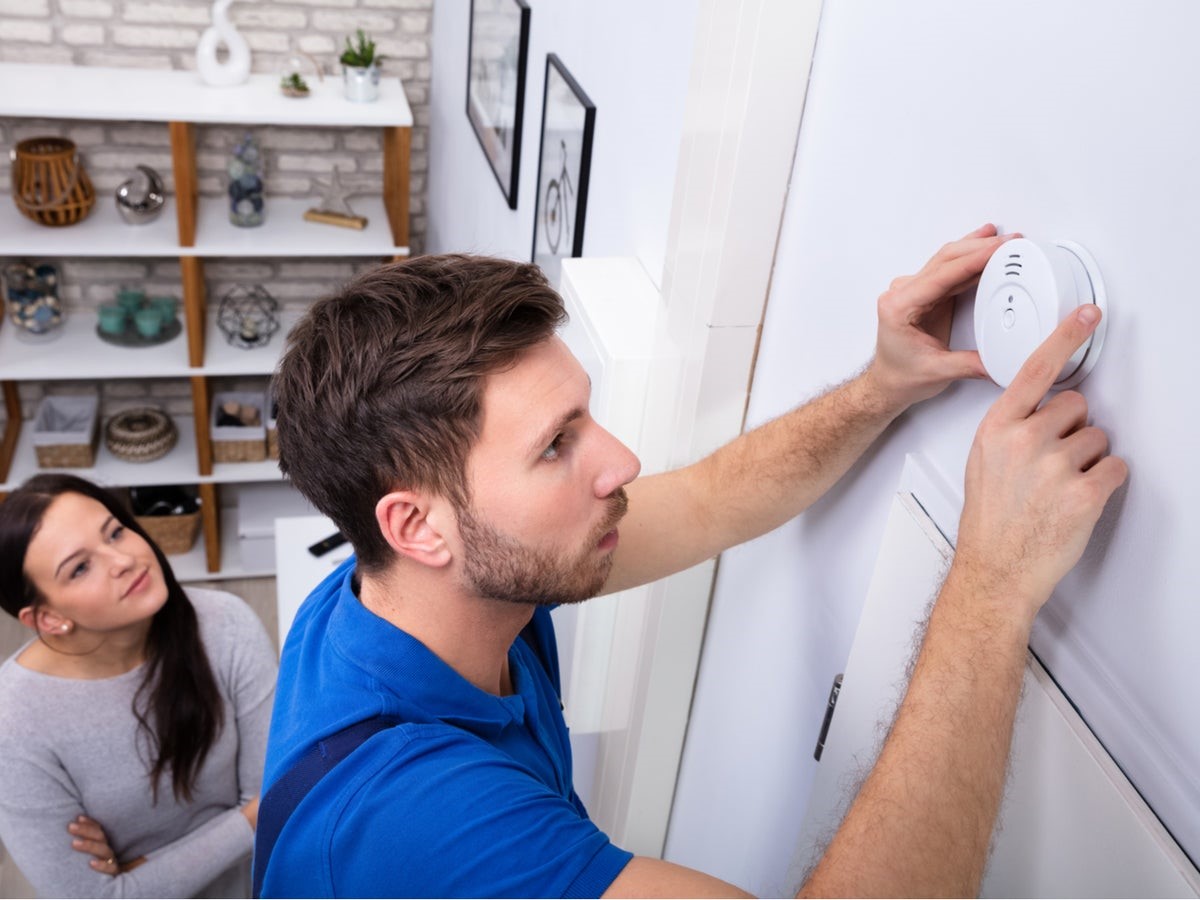
Test CO alarms once a month by pressing the alarm’s test button to hear if the alarm will sound. If your alarm uses batteries, be sure to replace the batteries once a year. Some manufacturers make alarms that have a 10-year lithium battery that doesn't require annual replacement.
Do they expire and when should I replace them?
CO alarms do expire and their lifespan depends on the manufacturer. They can last between 5-10 years so check the alarm's packaging for more information. If you no longer have the packaging, you should be able to find the information by searching your CO alarm online. Both battery operated and hardwired CO alarms need to be replaced when they expire.
For more information on carbon monoxide safety, visit calgary.ca/fire and ATCO Gas
—30—