
A long journey home: Why updated pet licence information and microchips matter
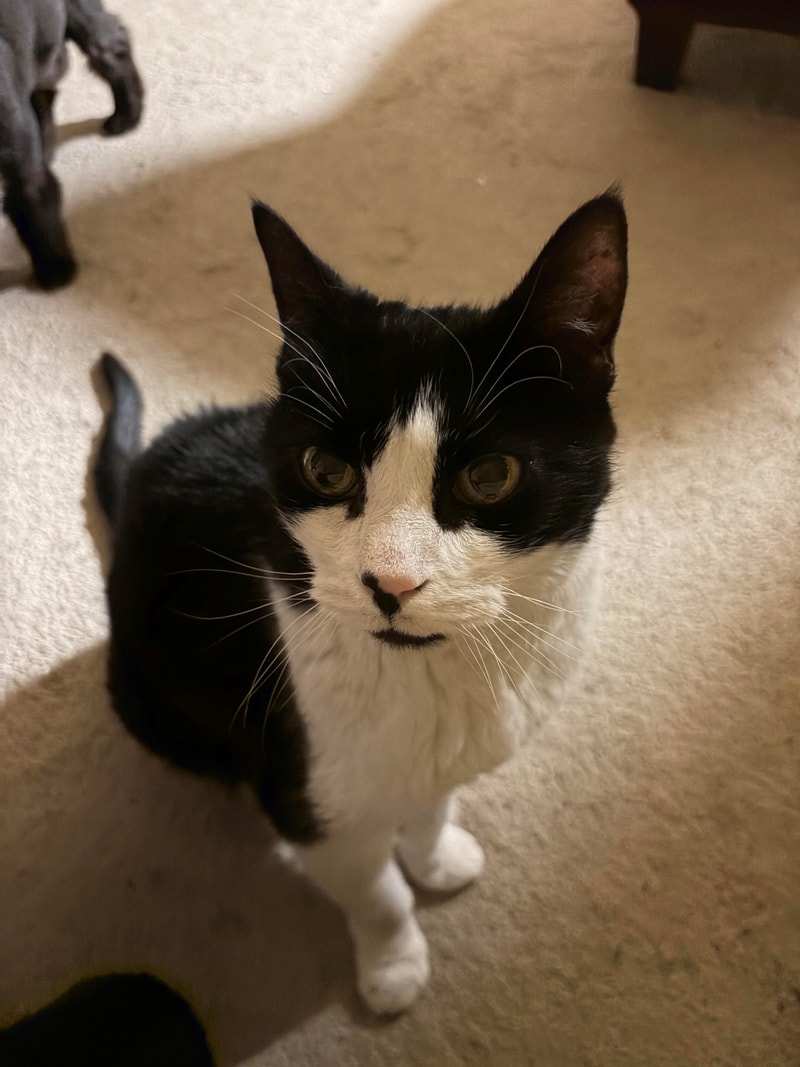
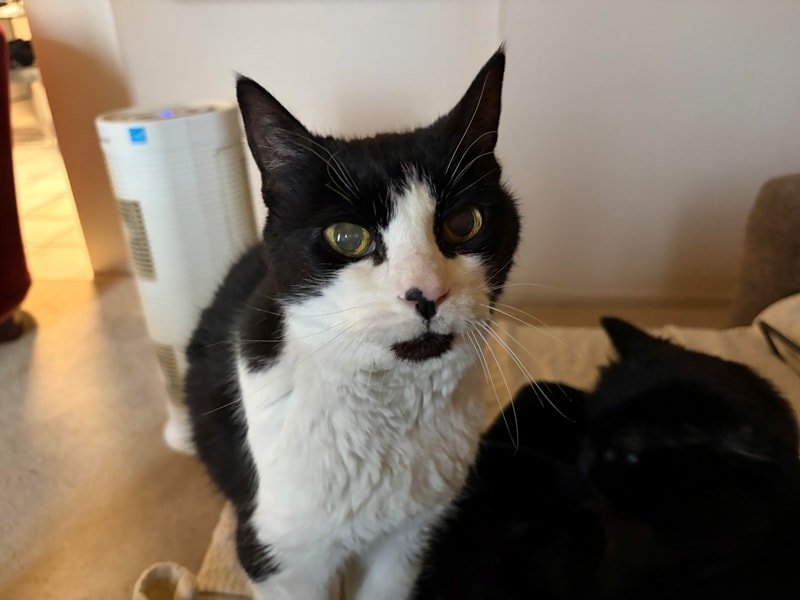
When 18-year-old Cfor went missing from her Calgary home, her owner Jennifer did everything she could think of to bring her back.
It was shortly after a severe hailstorm. Cfor, whose name is a play on “C for cat,” liked to perch on the balcony and watch the world go by. But as the storm passed and daylight began to fade, Jennifer realized Cfor was nowhere to be found.
She searched the neighbourhood with help from neighbours, put out familiar-smelling items and printed posters offering a reward. The search continued for weeks.
As the weeks turned into months, there was still no sign of Cfor. Her age made the uncertainty especially difficult. At 18 years old, and with no teeth, Jennifer worried about how she could be managing on her own.
Then, more than four months after Cfor disappeared, Jennifer received the call she had been hoping for.
Cfor had been found in Vista Heights, several kilometres from home, and brought to the Animal Services Centre. How she spent those four months, and how she travelled so far, remains a mystery.
Jennifer remembers getting the call at about 5:20 p.m. She went to the Animal Services Centre right away.
“I was ecstatic,” she said.
Cfor was tired, thin and frightened, but she recognized Jennifer. After veterinary care and some much-needed rest, she began settling back into life at home.
“She’s a classy cat, I think of her as a lady” Jennifer said. “She’s very sweet.”
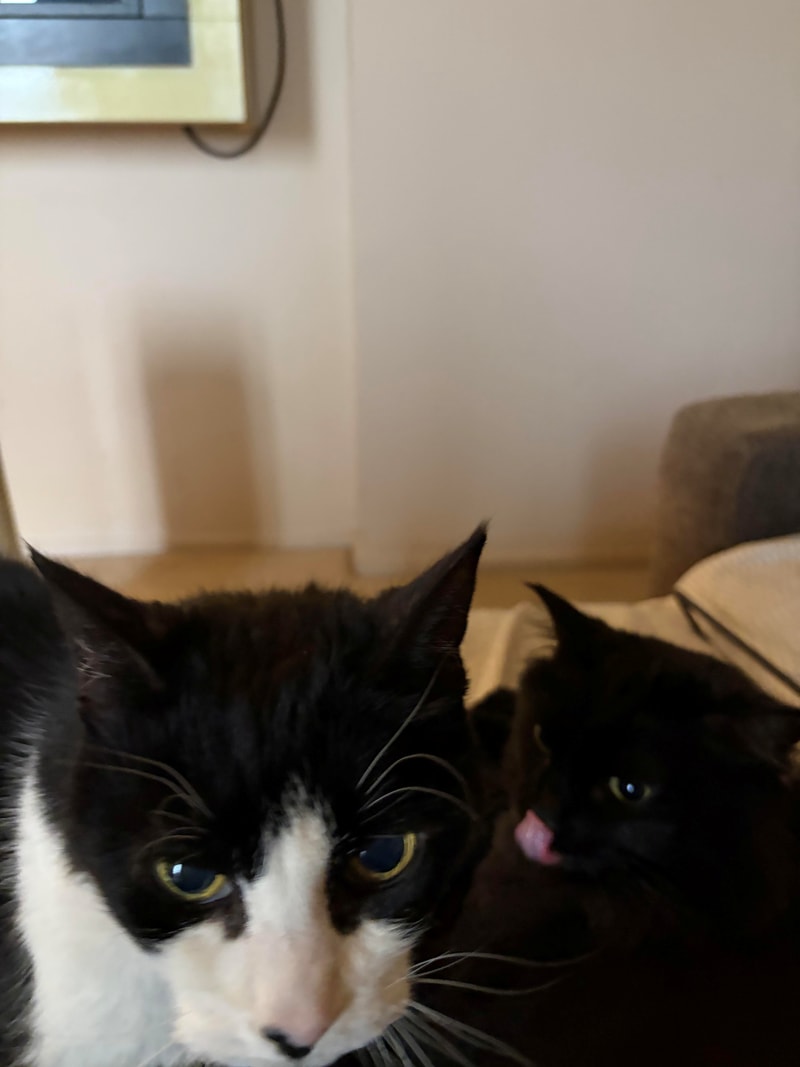
These days, Cfor is getting stronger and more social. She asks Jennifer for pets when she comes home from work and, after her months-long adventure, is receiving a little extra pampering.
Helping lost pets find their way home
Cfor’s story is a reminder of how important identification can be when a pet goes missing.
A current pet licence gives the Animal Services Centre a way to connect a found pet with their owner. But that connection depends on the information attached to the licence being accurate. If you move, change phone numbers or update your email address, remember to update your pet’s licensing information too.
Microchipping adds another layer of identification. Unlike a collar or tag, a microchip stays with the animal. Pet owners should make sure their microchip is registered and that the contact information associated with it is kept current.
After experiencing four months without Cfor, Jennifer has simple advice for other pet owners: take steps now to make sure your pet can be identified if they ever get lost.
“Do it,” she said. “Take care of your animals. They depend on you.”
For Jennifer and Cfor, that identification helped turn months of uncertainty into a long-awaited reunion.
And for Calgary pet owners, Cfor’s unlikely journey home is an important reminder: license your pet, keep your contact information current and consider a microchip as an added safeguard to help them find their way back to you.
Help your pet find their way home—keep your pet licence information up to date at calgary.ca/pets/licences.