
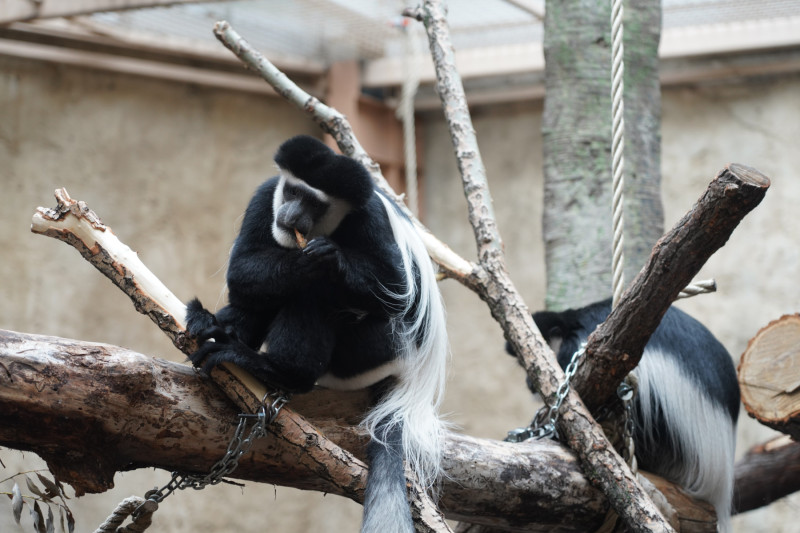
Wood From City Tree Removals Benefits Animals at The Wilder Institute’s Calgary Zoo
Wood from trees removed and pruned as part of City of Calgary urban forest maintenance is getting a second life thanks to a partnership with The Wilder Institute’s Calgary Zoo.
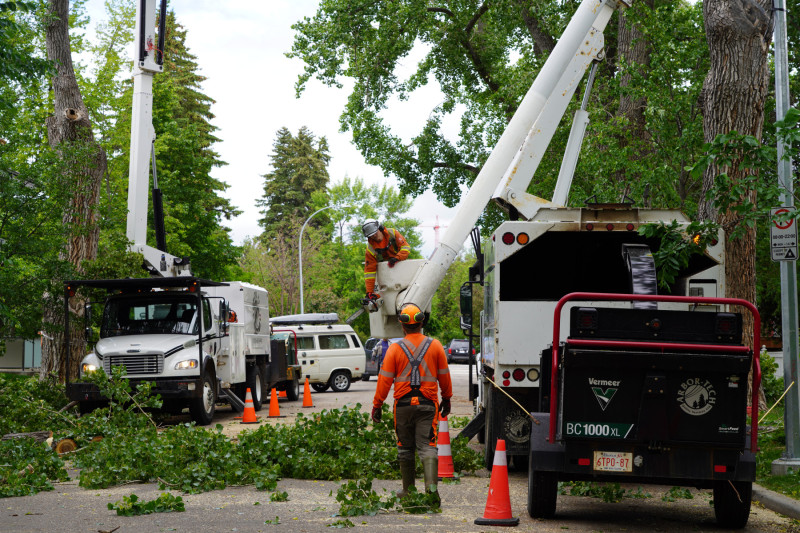
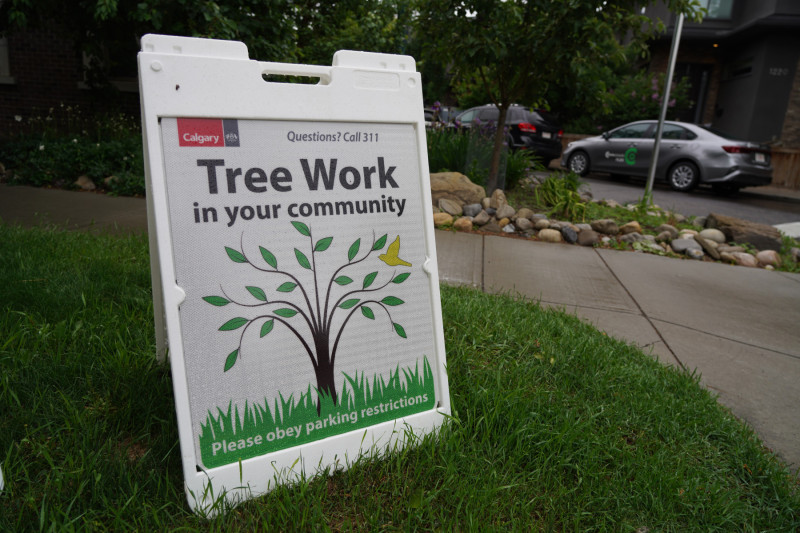
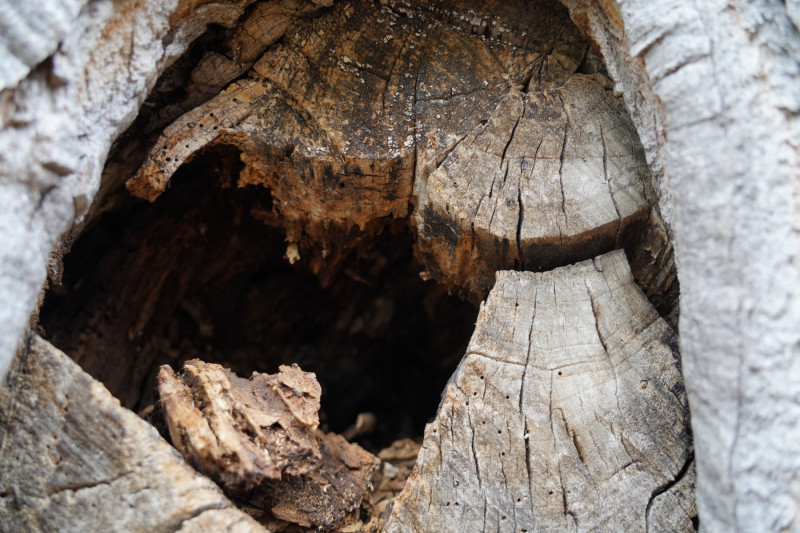
The removals were completed to proactively manage safety risks for dead and dying trees. Rather than going directly to compost, suitable branches, logs and other woody material from the removals have been provided to the zoo, where they are being put to use to support the animals in their care.
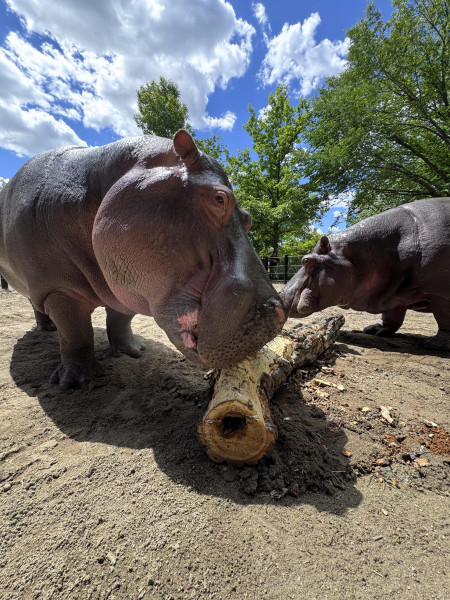
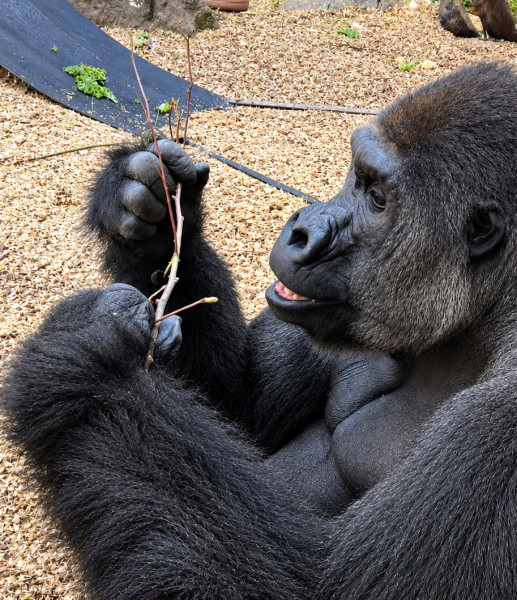
The material is being used for habitat enrichment and browse (food) for a variety of animals including moose, giraffes, camels, gorillas, monkeys and hippos, providing new opportunities for the animals to snack, explore, forage, climb and play.
“The urban forest plays an important role in Calgary's quality of life. This partnership shows how we can continue generating value even after a tree's lifecycle has ended,” said Wayne Driscoll, Urban Forestry Superintendent, Calgary Parks and Open Spaces. “By connecting City operations with community partners like The Wilder Institute's Calgary Zoo, we are advancing sustainability, reducing waste, and creating meaningful benefits for both people and animals.”
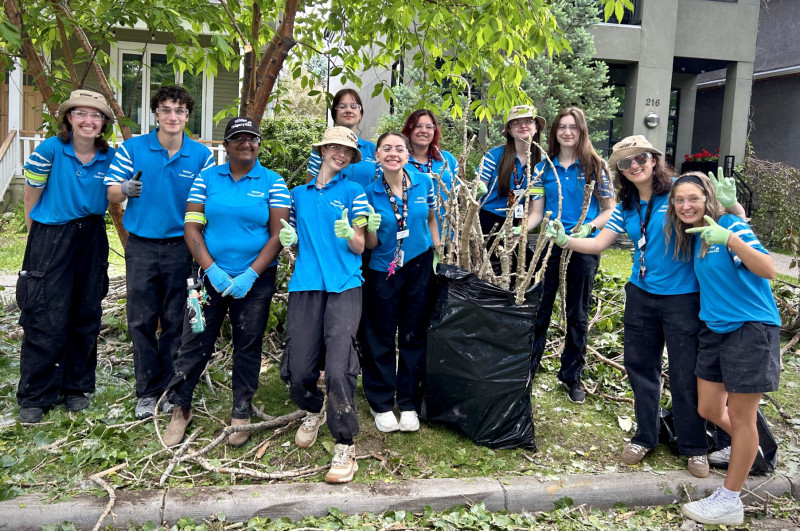
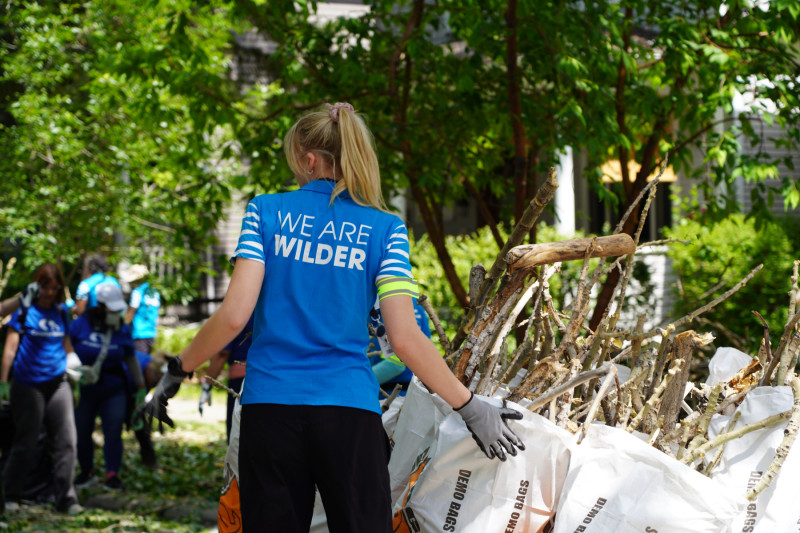
Hundreds of members from the zoo’s community of volunteers played an integral role in the removals by helping strip branches of leaves, bag woody material, leaves and seeds, cut and sort smaller branch materials into containers for transport and move bagged materials to trucks for transport. There was a lot of work to be done, and the volunteers were there with enthusiasm and big smiles. The City and zoo extend their thanks to everyone who helped make the effort a success.
The removals translated into:
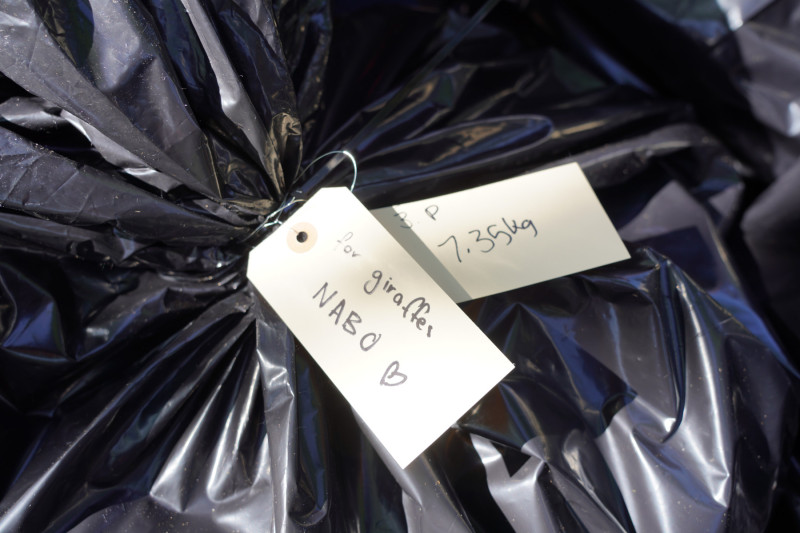
- 304, 6–7-kilogram bags of browse
- 10, 16–22-kilogram silage barrels of woody material
- 1.5 truckloads of bagged branches
- Numerous large logs to be used as “furniture” in animal habitats
“We’re always excited to receive wood like this because it gives us new opportunities to enrich the lives of the animals in our care,” said Katharine Varzé, Horticulture Manager with the Wilder Institute’s Calgary Zoo. “Whether it’s fresh browse for animals to eat or larger logs that become part of their habitats, there are lots of ways we can put this material to use. It’s pretty special to see trees from Calgary’s urban forest find a second life here at the zoo."
The City regularly completes tree risk assessments, pruning and removals of trees that are dead, declining or pose a public safety risk as part of its ongoing care to support the long-term health of Calgary’s urban forest. As part of this work, Urban Forestry is looking for new ways to make good use of the removed wood material where possible.
The collaboration with The Wilder Institute’s Calgary Zoo is just one example of how partnerships can help put removed material to good use while supporting animal care and wellbeing. Calgary Parks is also currently working with the zoo to provide removed invasive caragana plants as a snack for the resident giraffes.
The Wilder Institute’s Calgary Zoo and Calgary Parks social media channels will feature more photos and stories of the animals benefiting from the wood provided in the coming weeks. We invite Calgarians to follow along to see how the trees continue to make a positive impact:
Facebook: facebook.com/thecalgaryzoo, facebook.com/cityofcalgaryparks
Instagram: instagram.com/thecalgaryzoo, instagram.com/calgaryparks
*Photos courtesy of The Wilder Institute’s Calgary Zoo